
10 Signs You May Need a Professional Pest Inspection
Many pest infestations remain hidden long before obvious signs begin appearing inside the property. Rodents, bed bugs, cockroaches, moths, ants, fleas, and other pests often stay concealed inside walls, lofts, kitchens, storage areas, and hidden structural spaces where activity can continue unnoticed for weeks or even months.
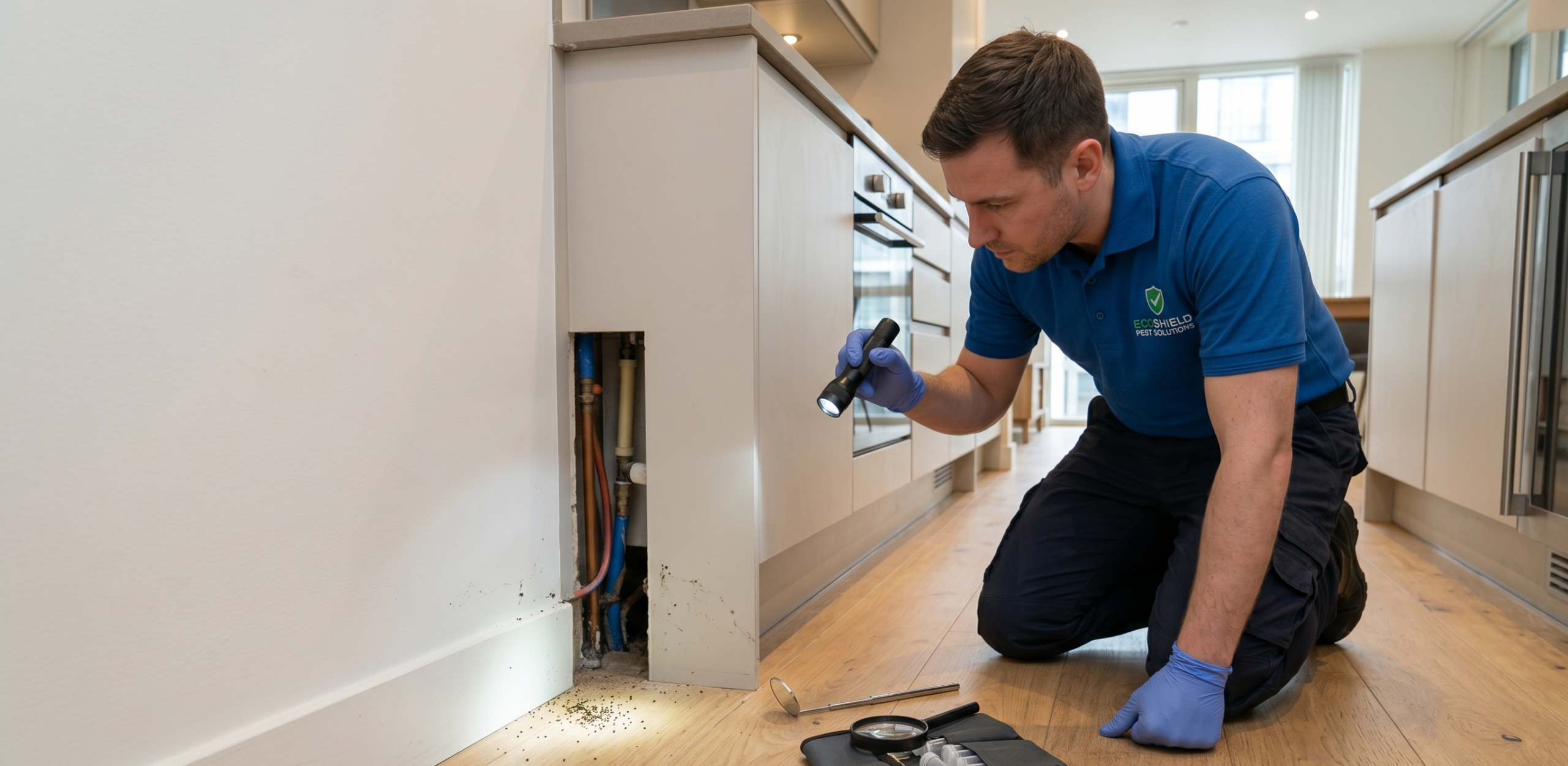
A professional pest inspection service in London helps identify hidden infestation activity early before pests spread further throughout the property or become significantly more expensive to treat.
1. Scratching Noises Inside Walls or Ceilings
Scratching, movement, or light tapping noises inside walls, ceilings, lofts, or under flooring may indicate rodent activity inside hidden structural spaces.
Mice and rats are often most active during the evening or night when the property becomes quieter.
2. Unusual Smells Without an Obvious Source
Persistent musty or unpleasant odours may sometimes indicate hidden pest activity inside walls, voids, drains, or concealed nesting areas.
Cockroaches, rodents, and other infestations may create strong smells as activity increases.
3. Droppings Around the Property
Small droppings near skirting boards, cupboards, food storage areas, lofts, or behind appliances are one of the most common warning signs of hidden pest infestations.
Professional pest inspections help identify what type of pest may be responsible for the activity.
4. Bites or Skin Irritation During the Night
Unexplained bites, itching, or skin irritation may sometimes be linked to hidden bed bug or flea activity inside mattresses, bed frames, sofas, carpets, or upholstery.
Because bed bugs often remain hidden during the daytime, infestations may continue spreading before visible insects are noticed.
In more severe cases, professional bed bug heat treatment in London may be recommended following inspection.
5. Visible Insects Indoors
Seeing ants, cockroaches, silverfish, moths, flies, or other insects repeatedly indoors may indicate a larger infestation developing elsewhere inside the property.
Visible insect activity is often only a small sign of hidden nesting or breeding areas.
6. Damage to Food Packaging or Stored Items
Damaged food packaging, chewed materials, holes in fabrics, or damaged stored belongings may indicate pest activity inside kitchens, cupboards, lofts, or storage spaces.
Moths, rodents, and insects commonly target hidden food and fabric sources.
7. Grease Marks or Smear Trails
Rodents and cockroaches sometimes leave grease marks or smear trails along skirting boards, walls, pipework routes, or hidden access areas as they repeatedly travel the same paths.
These signs are commonly identified during professional pest inspections.
8. Gnaw Marks Around Cables or Furniture
Rodents may chew through cables, furniture, insulation, cardboard, and stored materials while nesting or searching for food.
Early detection is important because hidden rodent activity may eventually create structural or electrical risks.
9. Pest Activity Keeps Returning After DIY Treatment
If pest activity continues returning after sprays, traps, powders, or DIY treatments, hidden nesting areas may still remain active elsewhere inside the property.
Professional pest inspections help identify why infestations are recurring and which areas require treatment.
10. You Recently Moved Into a New Property
Pest inspections are often useful after moving into a new property, particularly in flats, rental accommodation, older buildings, or properties that have been vacant for extended periods.
Early inspections may help identify hidden infestation activity before it develops into a larger problem.
Why Professional Pest Inspections Matter
Professional pest inspections help identify hidden infestations early, detect environmental conditions attracting pests, and recommend the most suitable treatment or prevention measures based on the findings.
At London Heat Treatment, professional pest inspection services are available across London for homes, rental properties, restaurants, offices, hospitality venues, and commercial buildings affected by suspected pest activity.